
With the development of global digital trade, more and more enterprises are starting to acquire overseas customers through foreign trade independent websites. However, when building a website, many enterprises often focus on website design, product display, and promotion marketing, while neglecting a crucial basic configuration—SSL certificate.
In fact, both Google search engines and overseas buyers are increasingly valuing website security. If your website still uses the HTTP protocol without deploying an SSL certificate, it may not only affect SEO rankings but also reduce customer trust in the enterprise.
So, what exactly is an SSL certificate? Why must foreign trade websites install an SSL certificate? This article will provide a detailed analysis for you.
What is an SSL certificate?
SSL (Secure Sockets Layer) is a network security protocol used to establish an encrypted connection between a user's browser and a website server.
After installing an SSL certificate, the website URL changes from:http://yourwebsite.com
How does an SSL certificate protect website data security?
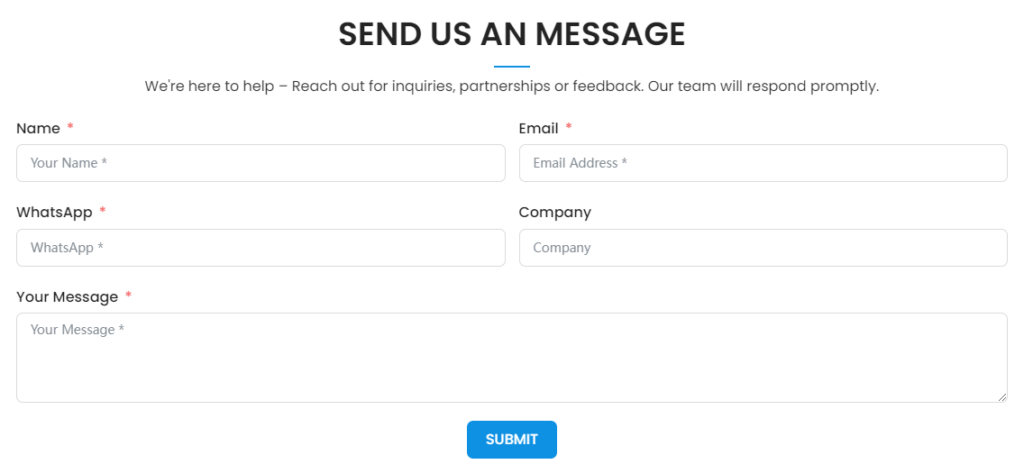
For foreign trade websites, customers often submit the following information through inquiry forms:
- Name
- Email address
- Phone number
- Company name
- Procurement needs
If the website lacks SSL encryption, this information may be intercepted by hackers during transmission.
After deploying an SSL certificate, all data is encrypted, so even if intercepted, the content cannot be read directly.
For overseas buyers, website security has become an important criterion for evaluating a supplier's professionalism.
SSL certificates help improve Google SEO rankings
Many enterprises do not know that SSL certificates are actually an important factor in Google's ranking algorithm.
Google has explicitly stated that HTTPS is a search ranking signal.
Although an SSL certificate alone cannot significantly boost website rankings, under otherwise equal conditions, HTTPS websites are generally more likely to gain trust from search engines.
Especially for foreign trade independent websites undergoing SEO optimization, deploying an SSL certificate has become a basic requirement.
If a website lacks the HTTPS protocol, it may affect:
- Search engine crawling efficiency
- Website authority accumulation
- Page indexing speed
- Keyword ranking performance
Therefore, from an SEO perspective, an SSL certificate is an essential configuration.
Enhancing overseas customer trust
When customers first visit a website, they often judge whether the enterprise is professional and reliable based on details.
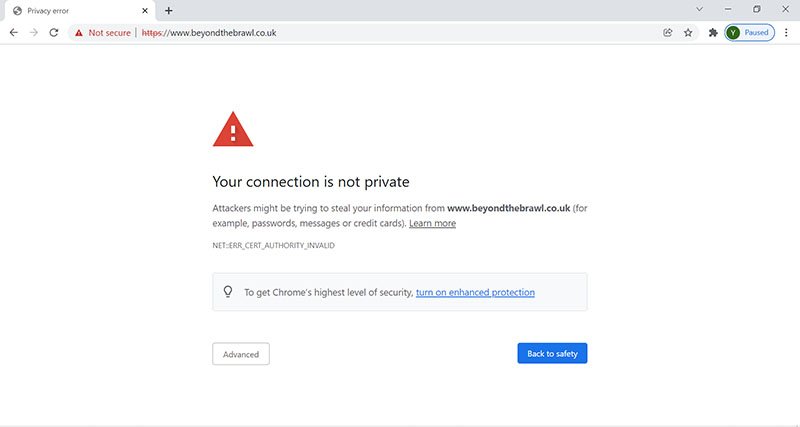
When the browser displays a “Not Secure” warning, many users immediately close the website.
Particularly in European and American markets, users are highly sensitive to network security.
A website displaying a security lock icon conveys the following information to customers:
- The enterprise values data security
- The website is formally certified
- Information transmission is protected
- The enterprise operates more standardly
These factors directly influence whether customers are willing to continue browsing the website and submit inquiries.
Improving website inquiry conversion rates
Many enterprises find that their websites have considerable traffic, but the number of inquiries is always unsatisfactory.
Besides products, page design, and marketing strategies, the sense of website security is also an important factor affecting conversion rates.
When customers fill out a contact form, if the browser warns of a security risk on the website, they are likely to abandon submitting information.
HTTPS websites can effectively reduce customer concerns and increase form submission rates.
For foreign trade enterprises that rely on inquiries to secure orders, SSL certificates are actually an important tool for improving conversion rates.
Meeting international market compliance requirements
As network security regulations continue to improve, more and more countries and regions are imposing higher requirements on website data protection.
For example:
- GDPR (General Data Protection Regulation of the European Union)
- CCPA (California Consumer Privacy Act)
Although an SSL certificate alone cannot fully meet all compliance requirements, it is a fundamental component of the data security system.
For enterprises targeting European and American markets, deploying an SSL certificate has become a basic requirement for international operations.
SSL certificates have become a standard configuration for foreign trade websites
Ten years ago, SSL certificates might have been exclusive to e-commerce websites.
Today, whether for corporate websites, brand independent sites, or B2B inquiry websites, HTTPS has become an industry standard.
If your website has not yet installed an SSL certificate, you may face:
- Browser security warnings
- Negative impact on SEO performance
- Decreased customer trust
- Lower inquiry conversion rates
- Damaged brand image
Therefore, for any enterprise seeking to acquire overseas customers through the internet, an SSL certificate is no longer an option but a necessity.